Secrets can enter transcripts
A scanner may never see model context, tool logs, pasted debug output, or copied summaries.


Prevention before detection
Secret scanners matter after a credential lands in text. Agent secret protection starts earlier: keep the agent from reading the secret before there is anything to scan.
Last updated: May 24, 2026
Secret scanning finds credentials after they appear in text; agent secret protection prevents the agent from reading or printing the secret in the first place. Automic Vault combines scanning with local runtime controls.
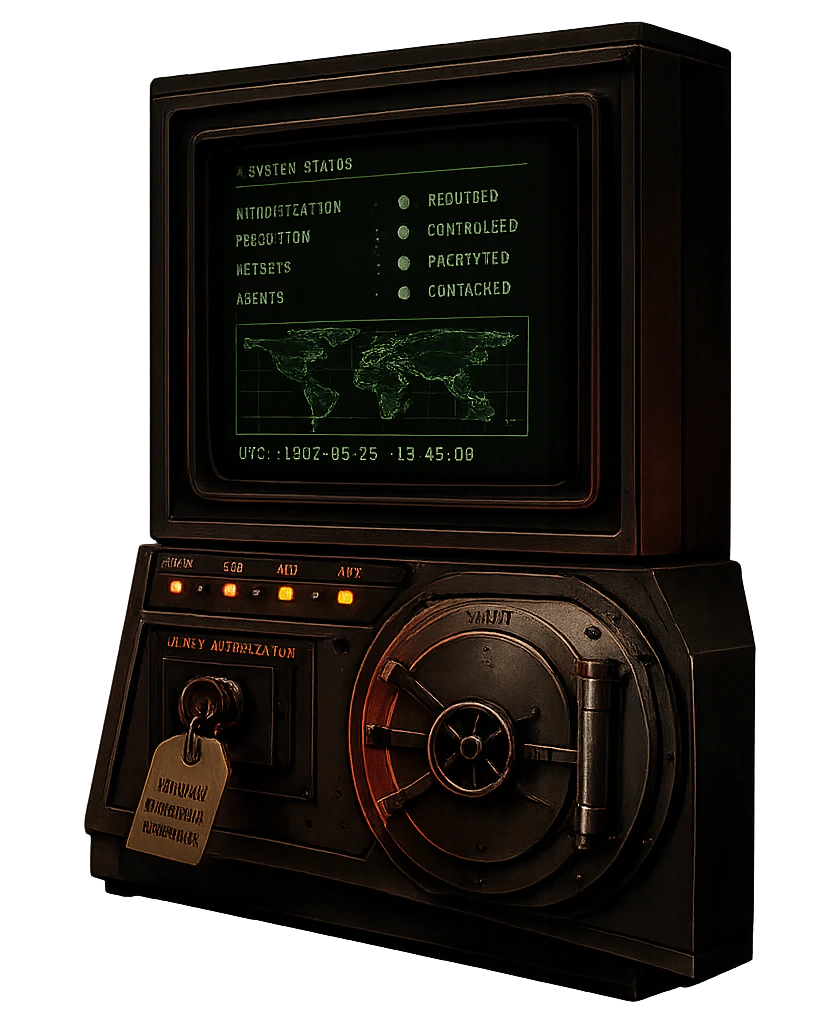
Different controls
Secret scanners help you find mistakes in repositories, logs, and artifacts. They do not stop an agent from reading a local file or asking a tool to print a token.
A scanner may never see model context, tool logs, pasted debug output, or copied summaries.
Agents can inspect dotenv files, AWS credentials, CLI auth files, and shell profiles.
Even sealed storage needs approval gates around commands that reveal auth material.
Approved injection gives tools the value without making it broadly readable.
Use both
| Control | Role in AI agent secret safety |
|---|---|
| Secret scanning | Detects likely secrets in repositories, pull requests, logs, and artifacts after text exists. |
| Agent protection | Keeps secret values out of readable files and injects them only into approved executables. |
| Together | Keep scanning, but remove the local paths that let agents create new leaks. |
Related protections
Find local plaintext credentials before the model can read them.
DotenvStop agents reading .env filesRemove the most obvious local secret target.
API keysAPI key management for AI agentsControl tokens used by local tools.
ApprovalsAI agent approval gatesGate commands that can reveal or mutate state.
FAQ
No. Scanning finds exposed credentials after they appear in text; agent secret protection prevents routine plaintext exposure in the first place.
Yes. Scanning is useful as a detection layer, but it should be paired with runtime controls for agent tool execution.
Automic Vault stores secrets outside project text and injects them only into approved local commands.